Poker’s Portable Powerhouse: Mobile Apps Bridging Cash Games, Tourneys, and Live Streams
Written by Mara Lange · Apr 16, 2026
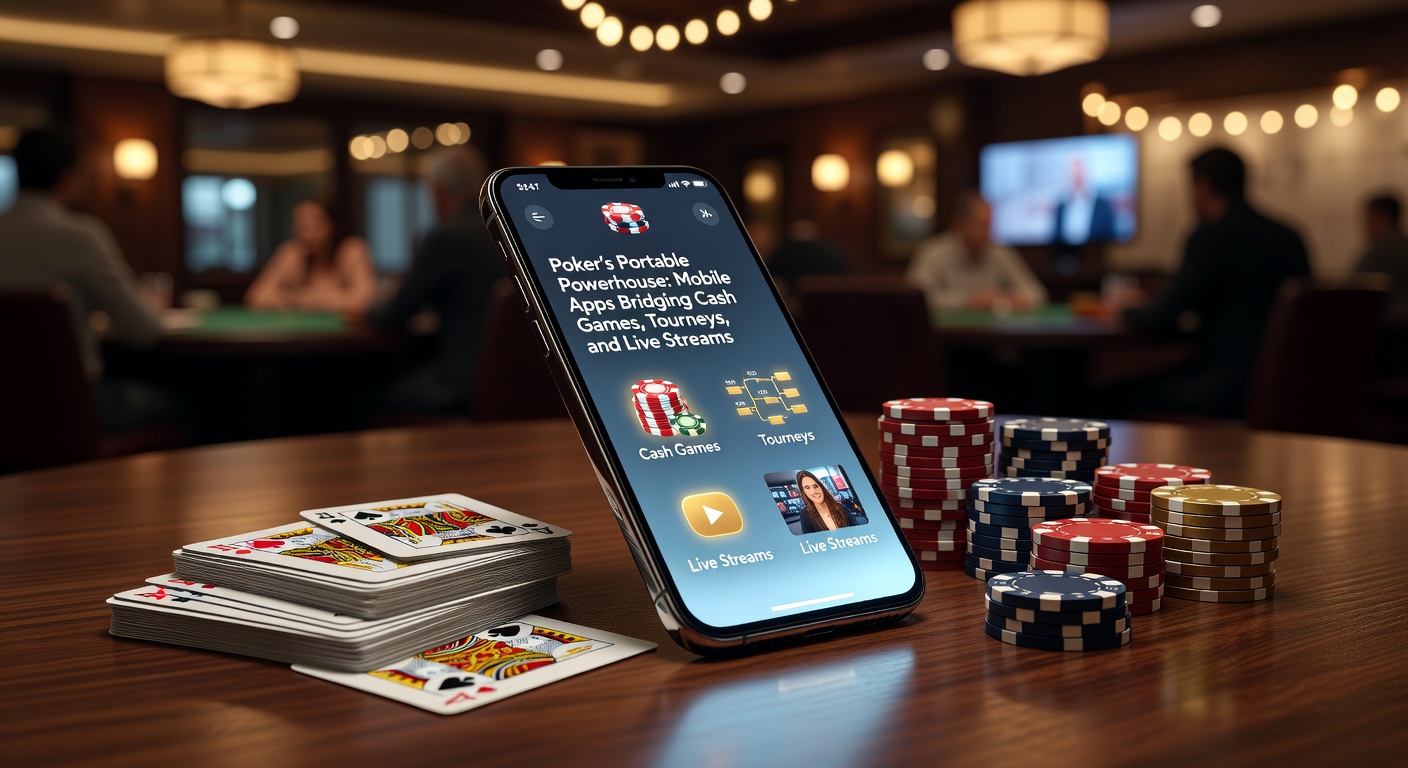
Poker’s Portable Powerhouse: Mobile Apps Bridging Cash Games, Tourneys, and Live Streams
The Surge in Mobile Poker Adoption
Mobile poker apps have transformed the game from stationary desktop sessions into anytime, anywhere action, with developers like PokerStars and GGPoker leading the charge by integrating cash games, tournaments, and live streams into seamless pocket-sized experiences. Data from industry trackers reveals that mobile traffic now accounts for over 70% of all poker app usage, a figure that climbed steadily since 2020 as 5G networks rolled out globally, enabling low-latency play even on public transport or during coffee breaks. Players access hyper-turbo sit-and-gos or deep-stack cash tables with a single tap, while algorithms match them instantly based on stakes, skill levels, and location restrictions.
What's interesting here involves how these apps bridge formats that once felt worlds apart; cash games offer flexible buy-ins from micro-stakes pennies up to high-roller noses exceeding $100/$200 blinds, whereas tournaments pack Multi-Table Tournaments (MTTs) with guarantees reaching millions, all playable without leaving the couch. Observers note that retention rates soar because users switch effortlessly between ring games for quick pots and tourney satellites for bigger shots, often while multitasking daily routines.
Cash Games: Instant Action Without the Wait
Cash games thrive on mobile platforms because apps like 888poker and partypoker deploy dynamic table selectors that populate lobbies in seconds, pulling in opponents from vast player pools across regulated markets. Tables support up to nine players per hand, with features like rabbit hunting—revealing post-fold cards for analysis—or anonymous play to deter HUD-wielding sharks, ensuring newcomers feel the odds even out over time. Figures from app analytics show average session lengths hitting 45 minutes on mobile versus 90 on desktop, since players fold pocket pairs during commutes or check-raise from bleachers at kids' soccer matches.
But here's the thing: liquidity remains king, so apps geo-fence tables to comply with local laws, creating U.S. state-specific pools in places like New Jersey and Pennsylvania where shared liquidity experiments boost action. One study from Nevada Gaming Control Board reports highlighted how mobile cash game volumes surged 40% year-over-year in regulated Nevada markets, driven by apps that let users cash out winnings instantly via digital wallets or linked bank transfers.
And yet, security layers like biometric logins and AI-driven fraud detection keep bad actors at bay, with platforms voiding suspicious hands automatically while notifying users via push alerts—small touches that build trust in this portable powerhouse.
Tournaments: From Satellites to Final Tables on the Fly
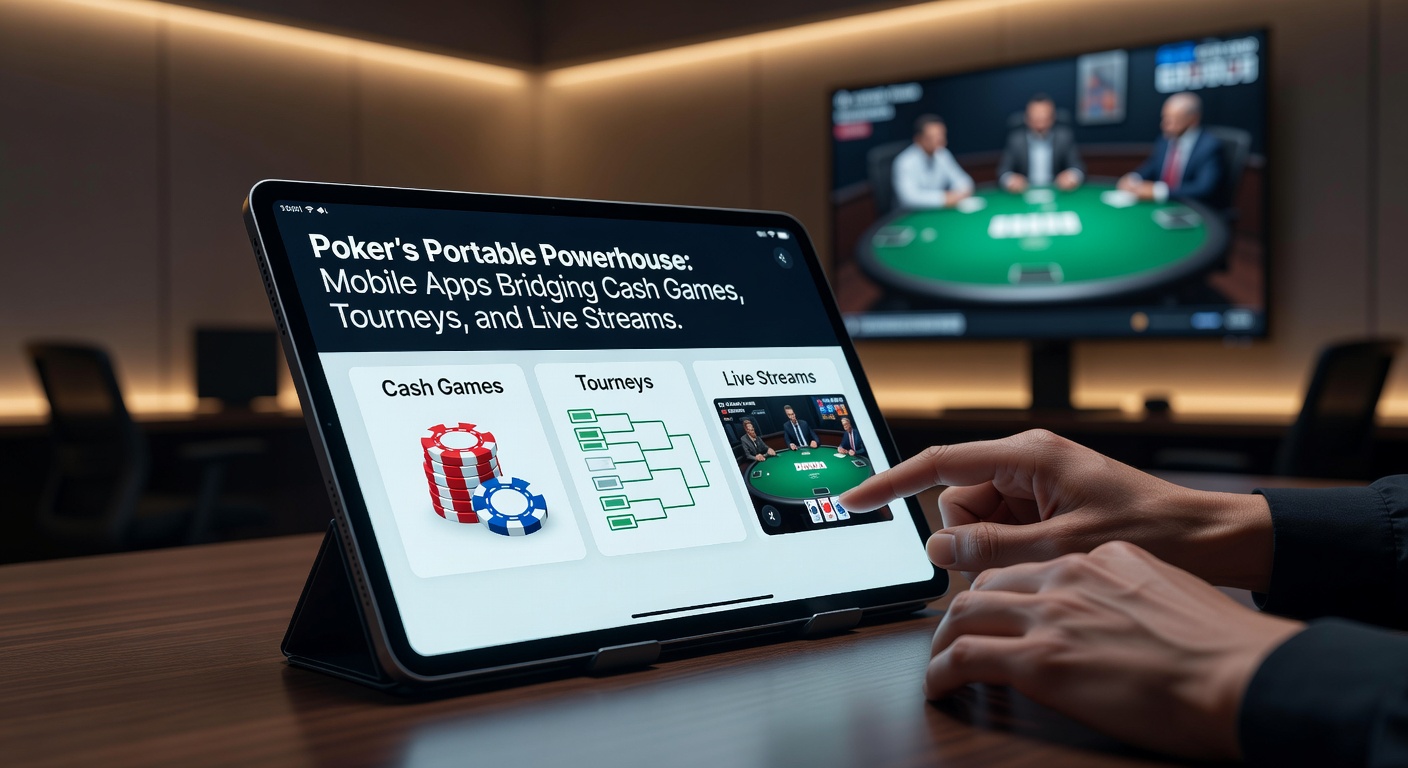
Tournament lobbies burst with variety on apps such as WSOP.com and ACR Poker, where daily MTTs draw thousands for buy-ins spanning freerolls to $1,000+ high rollers, complete with progressive knockouts that award bounties for eliminations alongside main prize pools. Players register mid-day for evening starts, using satellite qualifiers to snag seats at fractions of the cost, and apps track progress with real-time leaderboards that update every hand. Research indicates that mobile tourney participation jumped 55% during the 2024-2025 hybrid events, as users multi-table up to four screens simultaneously without lag.
Take GGPoker's Snap tournaments, for instance: they shuffle new tables upon bust-outs, slashing downtime so players grind 100+ hands hourly; or consider partypoker's Speed Games, which accelerate blinds and deal faster, turning marathon grinds into sprint sessions ideal for lunch breaks. That's where the rubber meets the road for casual grinders chasing overlays—those juicy spots where prize pools exceed total entries—often spotted via app-embedded odds calculators.
Now, progressive jackpots layer extra thrill, with bad beat bonuses triggering site-wide payouts when quads lose to straight flushes, events logged transparently in hand histories downloadable for review or solver uploads.
Live Streams: Bringing the Felt to Your Feed
Integration with live streaming elevates mobile poker beyond solitary play, as apps like PokerStars embed Twitch and YouTube viewers directly into lobbies, letting users spectate pros like Daniel Negreanu railing final tables while queuing for their own cash game. Broadcasters overlay app data—hole cards revealed post-hand via shared client software—syncing viewer chats with in-game emotes for interactive vibes. Data shows stream viewership correlates with app downloads, spiking 30% during major series like the WSOP Online.
Platforms host their own channels too; GGPoker's High Stakes Poker streams draw peak audiences over 50,000, with mobile users tipping streamers or entering instant promo tourneys triggered by highlights. Observers have seen how this loop—watch, learn, play—boosts skill uptake, especially among millennials who treat streams as free coaching sessions packed with range analysis and bet-sizing breakdowns.
It's noteworthy that geoblocking aligns streams with legal play zones, so Ontario residents tune into iGaming-approved feeds without VPN hassles. According to reports from iGaming Ontario, mobile stream integrations helped regulated poker revenues climb 25% in the province during 2025 fiscal year-ends.
Tech Under the Hood: Features Powering the Bridge
Augmented reality overlays and haptic feedback simulate live tells on touchscreens—vibrations signal shoves, while AR hole card pop-ups mimic casino dealers—features rolled out by innovators like ClubGG. Cross-platform syncing preserves stacks across devices, so a tourney bust on phone seamlessly transfers to tablet for cash game recovery; meanwhile, AI coaches analyze sessions post-play, flagging leaks like overfolding to 3-bets with personalized drills.
Social hubs let friends form private clubs for home games or heads-up duels, complete with voice chat and emoji reactions that mimic bar banter. Push notifications ping aces in position or tourney bubble warnings, pulling dormant users back without overwhelming batteries—optimizations that extend playtime up to eight hours per charge, per device tests.
Blockchain wallets emerge in crypto-friendly apps, enabling borderless transfers while RNG certifications from labs like eCOGRA verify fairness, results audited quarterly and published openly.
Navigating Regulations and Global Reach
Apps adapt to patchwork laws by partnering with bodies across regions; in Australia, state regulators oversee mobile ops with strict responsible gaming tools like deposit caps and self-exclusion toggles embedded per session. Europe's fragmented markets see apps licensed via multiple jurisdictions, funneling traffic efficiently while apps in Asia pivot to skill-game hybrids skirting gambling bans.
People who've studied this landscape point out how shared player pools in U.S. intrastate compacts—New Jersey, Nevada, Delaware—multiply options, a model Canada emulates provincially. Yet compliance tech like KYC via selfie scans streamlines onboarding, cutting fraud by 60% as per industry benchmarks.
Looking Ahead: Trends Shaping April 2026 and Beyond
By April 2026, expect mobile-only festival series to dominate calendars; GGPoker schedules a $10M guaranteed MTT extravaganza exclusively via app, blending cash feeders, tourney marathons, and live-streamed finales with VR spectator modes. AI personalization ramps up too, curating lobbies by playstyle—aggro sharks versus tight nits—while metaverse integrations let avatars join global tables.
Sustainability features gain traction, with carbon-offset donations tied to rake and eco-mode apps dimming screens during folds. Figures project mobile poker eclipsing desktop entirely by 2027, as 6G prototypes test ultra-responsive play in pilot zones.
One researcher tracking adoption noted how these evolutions keep the game's core intact—bluff, fold, win—now portable enough for beachside bluffs or midnight mills.
Conclusion
Mobile apps stand as poker's portable powerhouse, knitting cash games, tourneys, and live streams into a cohesive ecosystem that players wield effortlessly across devices and borders. Developers continue refining tech and compliance, ensuring action flows uninterrupted while safeguards protect the grind. As April 2026 unfolds with app-exclusive spectacles, the bridge strengthens, drawing fresh faces and retaining veterans in this ever-evolving digital arena.